Overflowing gutters
Clogs, undersized gutters or too few downspouts can send water over the edge during heavy rain.
Rain that runs off your roof has to go somewhere. When gutters sag, leak or overflow, it ends up on your fascia, siding and foundation. E&B Roofing LLC installs and repairs gutter systems that keep water moving where it belongs.
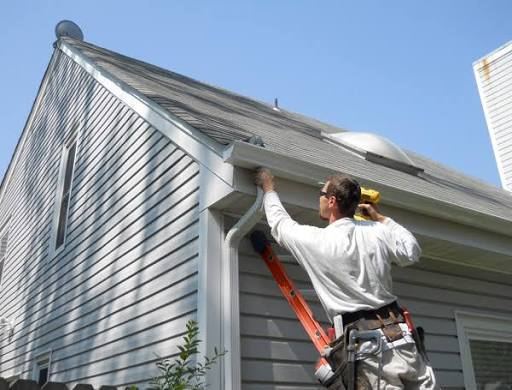
Every time it rains, your roof collects a large amount of water and sends it to the edges. Gutters and downspouts keep that water from pouring down your walls, soaking the soil around your foundation and splashing back onto siding and trim.
A gutter system only works when it’s sized, sloped and secured correctly. Gutters need a slight, consistent pitch toward the downspouts, hangers that hold them firmly to the fascia, and downspouts that discharge water away from the house.
E&B Roofing LLC installs new gutter systems and repairs existing ones for homes in Attleboro and throughout Massachusetts and Rhode Island. Because we’re roofers, we also look at how your gutters work with the roof edge, drip edge and fascia.
Between autumn leaves, heavy rain and winter ice, gutters in Massachusetts and Rhode Island work hard. These are the most common problems:
Clogs, undersized gutters or too few downspouts can send water over the edge during heavy rain.
Loose or failed hangers let gutters pull away from the fascia, and sagging sections hold standing water.
Joints and end caps can separate over time, causing drips and stains on the siding below.
Gutters without the right slope hold water instead of carrying it to the downspouts.
Heavy ice in winter can bend gutters and pull hangers loose.
Water released right next to the house can contribute to wet basements and soil erosion.
The best time to check your gutters is during a steady rain. Look for:
Overflow during normal rain means a clog, a sizing problem or poor pitch.
Gaps between the gutter and fascia mean the hangers are failing.
Drips from leaking seams leave marks on siding and trim.
Water getting behind the gutters can rot the boards they’re attached to.
Water pooling by the house means downspouts aren’t carrying it far enough away.
Poor roof drainage is one possible cause of water in the basement.
Gutters overflowing or sagging? Let’s get the water headed in the right direction.
We look at the whole path water takes, from the roof to the ground:
We look at the roof edge, gutters, downspouts and where the water ends up around your home.
We explain whether a repair will do or a new system makes more sense, including size, layout and downspout locations.
We check the fascia and drip edge so any problems can be addressed before gutters are installed.
Gutters are hung with a consistent pitch, secured with hangers, and connected to downspouts that carry water away from the home.
We check that the system drains as intended and clean up the work area.
Aluminum gutters are a common choice for homes in New England and are available in a variety of colors to complement your trim. Gutter size, profile, color and downspout placement are discussed during your estimate and listed in writing.
The workmanship details matter more than most homeowners realize: hanger spacing that stands up to snow and ice, sealed corners and end caps, a steady pitch toward each downspout, and downspout extensions that carry water away from the foundation.
Replacing your roof? It’s a smart time to evaluate your gutters too. New drip edge and gutters can be planned together so water flows cleanly from the shingles into the gutter. Learn about our roof replacement service.

E&B Roofing LLC is a CertainTeed SELECT ShingleMaster™ contractor, a credential that reflects our commitment to professional installation of CertainTeed roofing products.
We look at how your roof and gutters work together.
Solid hangers and a consistent pitch built for New England weather.
Gutter work planned alongside roof and siding projects.
Clear recommendations before any work begins.
Every photo on this page is from a real E&B Roofing LLC project. See more of our work in the project gallery, or read about our team.
If your gutters overflow during heavy rain even when they’re clean, they may be undersized for your roof, or you may need more downspouts. We look at your roof area and drainage layout when making recommendations.
Isolated leaks, a loose hanger or a single damaged section can often be repaired. If the gutters are sagging in many places, leaking at several seams or badly damaged by ice, replacement is usually more practical.
It’s often a good time to. The gutters may need to come down during the roof work anyway, and new gutters can be installed to work with the new drip edge.
Most homes benefit from cleaning at least once or twice a year, typically in late spring and after the leaves fall. Homes with many nearby trees may need it more often.
Ice dams are mainly caused by heat escaping into the attic and melting snow on the roof, which refreezes at the colder eaves. Clogged gutters can make ice buildup at the roof edge worse. Ice and water protection, good attic ventilation and clear gutters all help.
Roof and exterior problems are often connected. These related services from E&B Roofing LLC are also available across Attleboro, Massachusetts and Rhode Island. You can also view all of our services.
New siding and repairs to damaged sections, with care for fit, trim and the overall look of your home.
Complete CertainTeed roofing systems for new homes, additions and garages, installed layer by layer.
Leaks, missing shingles, failed vent boots and loose flashing, traced to the source and repaired properly.
Overflowing, leaking or sagging gutters? Call E&B Roofing LLC or send us an estimate request, and we’ll get back to you as soon as possible.