Ponding water
Water that sits on the roof long after rain puts extra stress on the roof surface and seams and finds any weak spot.
Flat and low-slope roofs need different materials and different techniques than steep shingle roofs. E&B Roofing LLC installs and repairs flat roof sections with a focus on seams, edges and drainage.
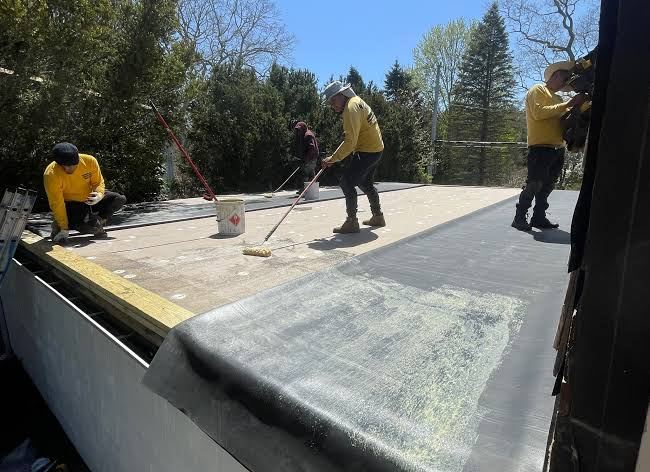
Shingles rely on gravity and overlap to shed water, which is why they need a minimum slope to work. On flat and low-slope roofs, water moves slowly and can sit on the surface after a storm, so the roof needs a continuous, watertight covering instead of overlapping pieces.
In Massachusetts and Rhode Island, low-slope sections are common on porches, dormers, additions, garages and the rear of many homes. They’re often where a sloped roof meets a flat one, and those transitions need especially careful detailing.
E&B Roofing LLC provides flat-roof repairs and replacements focused on reliable coverage, proper drainage and well-sealed seams, edges and transitions.
Most flat roof leaks come down to water that can’t drain or a seam that has opened up. Here’s what we see most often:
Water that sits on the roof long after rain puts extra stress on the roof surface and seams and finds any weak spot.
Seams are the most vulnerable part of a membrane roof. When they open up, water can travel underneath.
Trapped moisture or air under the roof surface can create blisters that eventually crack.
Foot traffic, falling branches and debris can puncture the roof covering.
Where a flat roof turns up a wall or meets a sloped roof, flashing and edge details can loosen over time.
Leaves and debris can block drains, scuppers and gutters, causing water to back up on the roof.
Flat roofs are often out of sight, so problems can go unnoticed. Watch for these signs:
Leaks in porches, additions or rooms under a flat roof often point to the roof covering or its seams.
Persistent puddles suggest drainage problems or low spots in the roof.
Surface damage is a sign the roof covering is aging or moisture is trapped underneath.
Seams that have pulled apart leave an easy path for water.
A section that looks sunken can mean the material underneath is wet or damaged.
Water at the transition between roof types usually points to flashing problems.
Seeing any of these on your porch, garage or addition roof? We’ll take a look and explain your options.
Whether it’s a repair or a full replacement, every flat roof project follows the same careful approach:
We look at the roof surface, seams, edges, drainage and the transitions to walls or sloped roofs.
Localized damage can often be repaired. Widespread wear, multiple leaks or wet materials underneath may call for replacement.
You receive an estimate that explains the recommended work and materials.
Damaged materials are removed as needed and the deck is checked and prepared.
The new roof covering is installed with careful attention to seams, edges, wall flashing and drainage.
We review the finished roof and clean up the work area.
Low-slope roofs are typically covered with membrane-based roofing systems rather than shingles. Common types include rubber (EPDM), thermoplastic (TPO) and modified bitumen. Each has its own installation methods and strengths, and the right choice depends on the roof’s size, slope, use and how it connects to the rest of the house.
We’ll explain the material we recommend for your roof and why, and list it in your written estimate. Whatever the material, the workmanship that matters most is the same: well-sealed seams, proper edge and wall details, and a surface that drains.
When a flat section ties into a shingle roof, we pay close attention to the transition so both sections shed water together. That’s where our work as a CertainTeed SELECT ShingleMaster™ shingle contractor helps on combined roofs.
E&B Roofing LLC is a CertainTeed SELECT ShingleMaster™ contractor, a credential that reflects our commitment to professional installation of CertainTeed roofing products.
We look at where the water goes, not just the roof surface.
The details where most flat roofs fail get our closest attention.
We’ll tell you when a repair will do the job.
Serving Attleboro and communities throughout both states.
Every photo on this page is from a real E&B Roofing LLC project. See more of our work in the project gallery, or read about our team.
Not quite. Most “flat” roofs have a slight slope so water moves toward drains, scuppers or gutters. Low-slope is a more accurate term, and it’s why drainage planning matters so much.
Shingles need a minimum pitch to shed water properly. Below that, a membrane roofing system is the appropriate choice. We’ll look at your roof’s slope and recommend the right covering.
Small punctures, isolated seam problems and flashing issues can often be repaired. If the roof has multiple leaks, widespread blistering or wet materials underneath, replacement is usually the more reliable option. We’ll explain what we find.
Keep drains, scuppers and gutters clear of leaves and debris, limit foot traffic, and have the roof checked after major storms. Our roof inspections can include flat sections.
Yes. Porches, garages, additions and dormers are some of the most common places we see low-slope roof sections on homes in Massachusetts and Rhode Island.
Roof and exterior problems are often connected. These related services from E&B Roofing LLC are also available across Attleboro, Massachusetts and Rhode Island. You can also view all of our services.
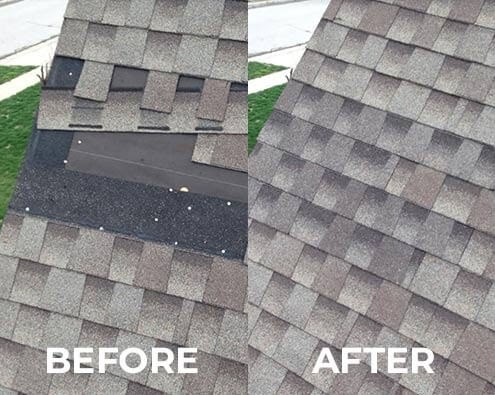
Leaks, missing shingles, failed vent boots and loose flashing, traced to the source and repaired properly.
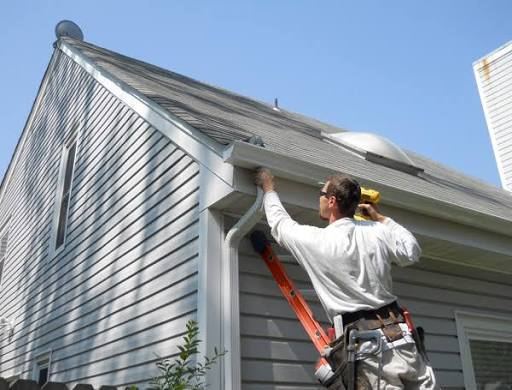
Gutter and downspout installation and repair that carries water away from your roofline and foundation.
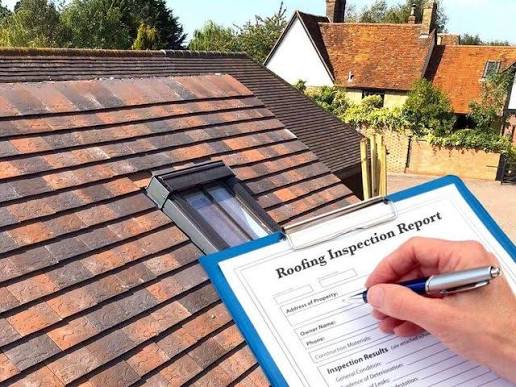
A careful look at shingles, flashing and ventilation, with findings explained in plain language.
Leaks under a porch, garage or addition roof? Call E&B Roofing LLC or send us an estimate request, and we’ll get back to you as soon as possible.